Baithak - 1 : Published Report
Ms. Pavan Joshi
Moderator
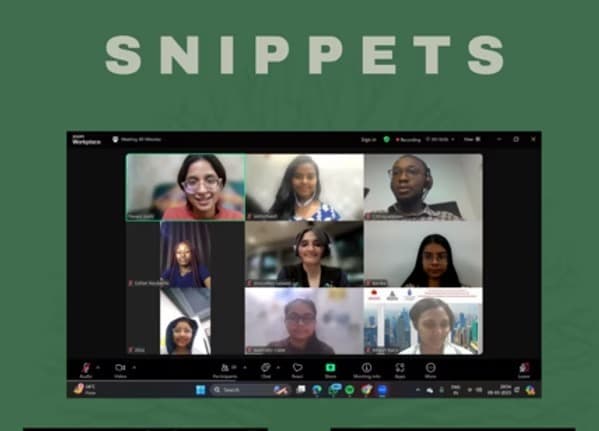
##Introduction Climate negotiations are imbued with power relations. It is not a simple give and take, or discussion, rather it reflects the power hierarchies that shapes our world today. This roundtable discussion will explore the geopolitical dimensions of climate governance, shedding light on the concentration of decision making and how asymmetries in climate negotiations exacerbate global inequalities. The focus will be on formulating pathways to ensure that developing nations are empowered and their voices are central to climate diplomacy.
##Background & Rationale The disparity between the Global North and Global South in climate negotiations is evident, with power often concentrated in the hands of a few wealthy nations. This imbalance perpetuates global inequalities, leaving developing nations with less influence in shaping climate policies that directly impact them. Addressing these disparities is crucial for equitable and effective climate action.
##Objectives of the Discussion
- To examine the geopolitical factors influencing climate governance
and decision-making.
- To analyse the impacts of power asymmetries on global climate
policies.
- To explore strategies for empowering developing nations in climate
negotiations.
- To formulate pathways for inclusive and equitable climate
diplomacy.
##Seruni Salsabila
Ms. Seruni Salsabila spoke passionately about the gap between climate promises and real action. She pointed out how wealthier nations continue to benefit the most from climate finance while vulnerable communities, who are hit hardest, are left struggling. Despite pledges to increase funding, the actual need is far greater and commitments often fall short. She emphasized that the Global South is not just a victim. It is home to Indigenous communities and innovative solutions. Yet, global systems do not always reflect this reality. For a fair transition, developing nations need access to technology, funding, and the ability to shape their own futures rather than being sidelined. Holding the Global North accountable is key. She stressed their role in the climate crisis and urged young leaders to demand real action, not just words. Climate finance must actually reach those who need it most. When asked why developed nations fail to deliver on their climate promises, she pointed to economic struggles, political changes, and conflicts of interest. These challenges often get in the way of real progress, but that is exactly why we need to keep pushing.
##Chinazaekpere Offodile
Mr Chinazaekpere, in his intervention, focused upon the historical responsibility that developed countries, notably the US and EU, hold for the bulk of greenhouse gas emissions while failing to fully support climate finance for developing nations. The global north's cumulative emissions, despite their smaller populations, impose a moral obligation to lead climate action and finance adaptation. He highlighted the bureaucratic obstacles by citing the lengthy approval process of funds, like the Green Climate Fund, which has delayed critical support for vulnerable communities, and hence many developing nations struggle to assess and access climate finance due to complex procedures. Further, he also criticised the policy reversals, such as President Trump's withdrawal from the Paris Agreement vis-à-vis global climate efforts and excavating the challenges that are faced by the developing nations further. To address these challenges, Mr Chinazaekpere proposed that developed nations significantly increase their commitments and explore innovative mechanisms, including carbon taxes on international aviation that could generate up to $100 billion annually. Additionally, he stressed over the call for reform in the global climate governance by establishing a Global South Climate Council to ensure that developing nations have a decisive voice, alongside robust accountability measures to prevent fund siphoning by national governments, thus ensuring resources reach those in need effectively, and have community led initiatives, which are often effective and much more sustainable than the typical top down approaches, alongside its integration with the technology group transfer to facilitate the technology of developing nations to local companies and ensure pioneering of climate advocacy begins from the grassroot levels and the power-dynamics is often challenged to not to remain restricted in the hands of few eventually.
##Ogbodo Nzubechi Esther Ms. Ogbodo Nzubechi Esther recognized that climate action suffers from concentration of power, which impacts climate advocacy initiatives, in the area of funding. finance, technology and energy transmission efforts. More specifically, the developing countries struggle with climate funding, negatively influencing investment towards renewable energy. The issue becomes even more pertinent when faced with the reality that the Global South faces greater challenges in the form of more heat waves. food shortage, water scarcity and so on. Even with respect to the populations of developing countries, the distribution of costs is uneven, with women being more vulnerable to environmental impacts. However, she remained hopeful for the crucial role played by citizens in developing countries for climate advocacy and climate innovation through newer technologies and involvement of businesses to institute modalities for ensuring adaptability to sustainability. Having been involved in the field of Artificial Intelligence (Al), she elucidated the benefits derived from the intersection of Al and Agriculture to develop sustainable practices. Al can be utilized to ensure power/energy optimization, optimal usage of soil resources, to create and sustain automation and to reduce waste and resource mismanagement. This is reflected in practices such as Precision Agriculture. One should further reduce usage of plastic and make conscious shifts to biodegradable packaging. Towards the end, she stressed the need for the Global South to reclaim agency and build networks for cooperation by reducing their reliance on the Global North. In order for this shift to happen, it is imperative for the Global South to invest in home-grown technologies. This should be complemented by reforms in the global finance structure and leveraging youth leadership and partnerships.
#CONCLUSION The session featured insightful interventions Ogbodo Nzubechi Esther, Chinazaekpere Ofodile, and Seruni Salsabila, highlighting the systemic challenges in global climate action. Ms. Esther emphasized how power concentration impacts climate advoсасу, with the Global South struggling with funding, technology access, and renewable energy investments. She stressed the need for home-grown technologies and youth leadership to foster sustainable innovation. She also underscored the potential of Al in agriculture for optimizing resources and reducing waste. Mr. Chinazaekpere focused on the Global North's historical responsibility for greenhouse gas emissions and the bureaucratic hurdles in climate finance, which hinder support for vulnerable nations. He proposed reforms, including a Global South Climate Council, carbon taxes on international aviation, and community-led initiatives to ensure effective resource distribution. Ms. Salsabila highlighted the disparity between climate pledges and action, stressing how wealthier nations benefit most from climate finance while vulnerable communities are left behind. She called for accountability and equitable access to technology and funding for the Global South. Ms. Pavani Joshi concluded the session by reiterating the importance of such discussions, particularly in fostering dialogue between youth and policy professionals to effectively address the pressing issues of climate action and justice.
Comments (0)
Loading comments...